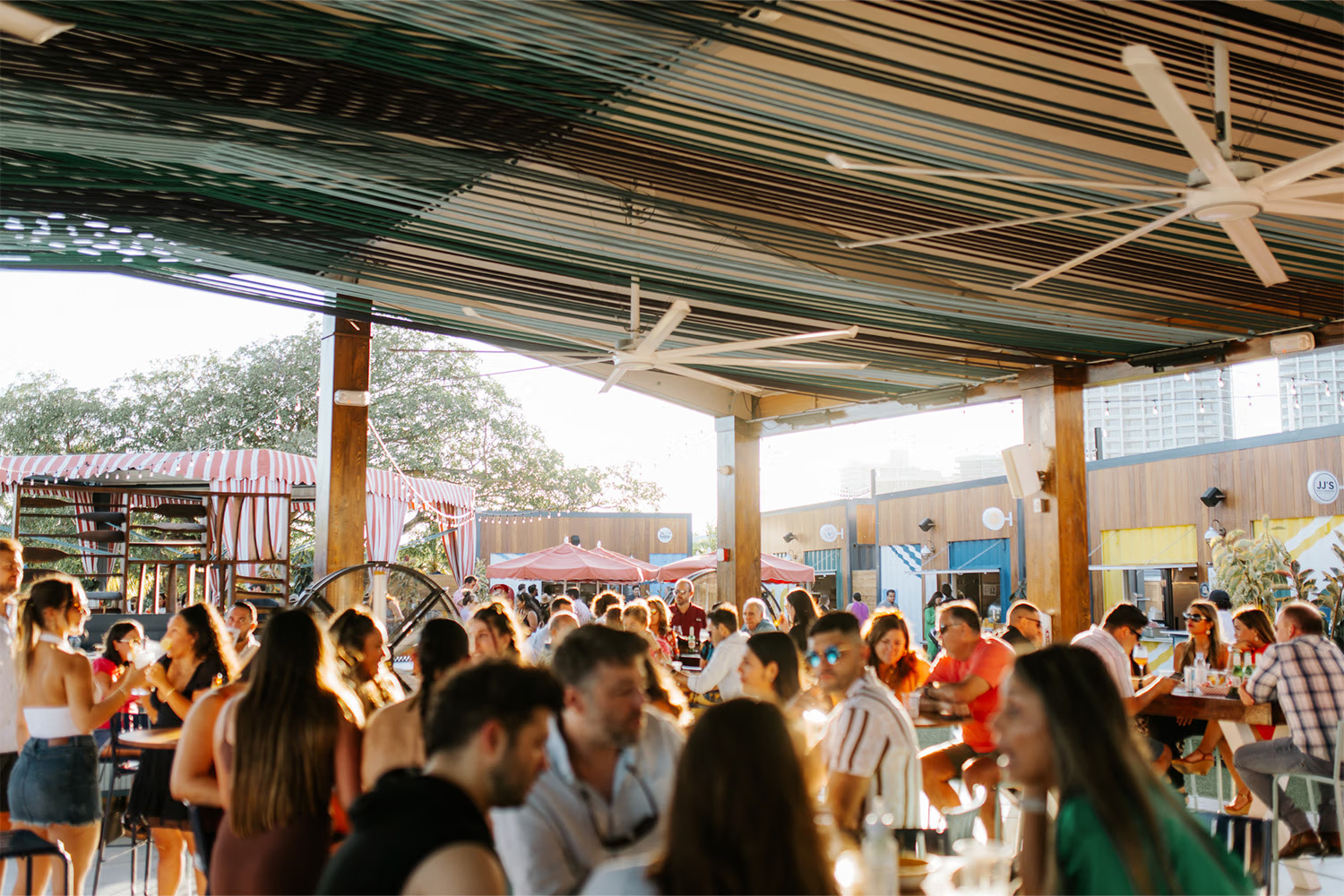
Summer is in full swing, and what better way to enjoy the sunny days than with stylish, sustainable fashion! Whether you’re planning a day at Regatta Grove…
In a world increasingly aware of environmental and ethical responsibilities, the fashion industry is undergoing a significant transformation. The days when high-end fashion was synonymous only with luxury and extravagance, with little regard for the environment, are fading. Today, sustainable fashion is no longer a niche movement; it’s a lifestyle choice that bridges the gap between conscientious consumption and high-end style. For those seeking chic outings while maintaining ethical values, sustainable high-end fashion offers an exciting and sophisticated way to enjoy the best of both worlds. This shift toward sustainability doesn’t mean compromising on style.
In fact, many luxury brands are pioneering innovative designs that not only uphold ethical standards but elevate your wardrobe to new heights. Whether you’re attending an exclusive dinner, gallery opening, or rooftop soiree, you can look and feel fabulous while making choices that positively impact the planet. The Rise of Ethical Luxury in Fashion Historically, the fashion industry has faced scrutiny for its environmental footprint—whether through excessive water usage, chemical pollution, or exploitation of labor. However, a growing number of luxury fashion houses are now committed to crafting pieces that minimize harm to the planet while maximizing style.
From sourcing eco-friendly materials to ensuring fair labor practices, the rise of ethical luxury fashion is a direct response to consumers who want to align their values with their wardrobes. Leading brands like Stella McCartney , Reformation , and Gabriela Hearst are redefining the fashion landscape by incorporating sustainability into their core missions. They use responsibly sourced materials such as organic cotton, recycled fibers, and even biodegradable textiles, showcasing that style and sustainability can coexist harmoniously. Their collections cater to the modern, fashion-forward individual who seeks elegance without compromising their ethical principles.
Sustainable Materials for a Chic Look When thinking about sustainable high-end fashion, it’s important to understand what makes these garments truly sustainable. A significant part of sustainability comes down to the materials used. Let’s take a closer look at some of the eco-friendly fabrics making waves in the world of luxury fashion. 1. Organic Cotton and Linen Both organic cotton and linen are lightweight, breathable fabrics perfect for stylish outings. Organic cotton is grown without the use of harmful pesticides and chemicals, and its cultivation requires less water compared to conventional cotton.
Linen, derived from the flax plant, is not only biodegradable but also highly durable, making it an excellent long-lasting investment piece. 2. Recycled and Upcycled Fabrics Luxury brands are embracing the use of recycled fabrics, such as recycled polyester, made from post-consumer plastic waste. These materials reduce the reliance on virgin resources and help mitigate the environmental impact of plastic waste. Upcycling is another innovative approach where discarded garments or fabrics are transformed into fresh, high-end designs. Brands like E.L.V. Denim are known for their upcycled jeans, merging sustainability with timeless style.
3. Tencel and Lyocell Tencel and Lyocell are eco-friendly fibers derived from wood pulp. Known for their silky texture and versatility, they make for an ideal fabric for both formal and casual outings. The production process for these materials uses significantly less water compared to traditional fabrics, and the solvents used are recycled in a closed-loop system, reducing waste. 4. Vegan Leather While traditional leather production has a large carbon footprint, vegan leather offers a cruelty-free, eco-conscious alternative. Brands like Nanushka and Matt & Nat have led the way in creating high-end, chic bags, shoes, and jackets made from innovative materials like pineapple leather (Piñatex) and mushroom leather, which have a